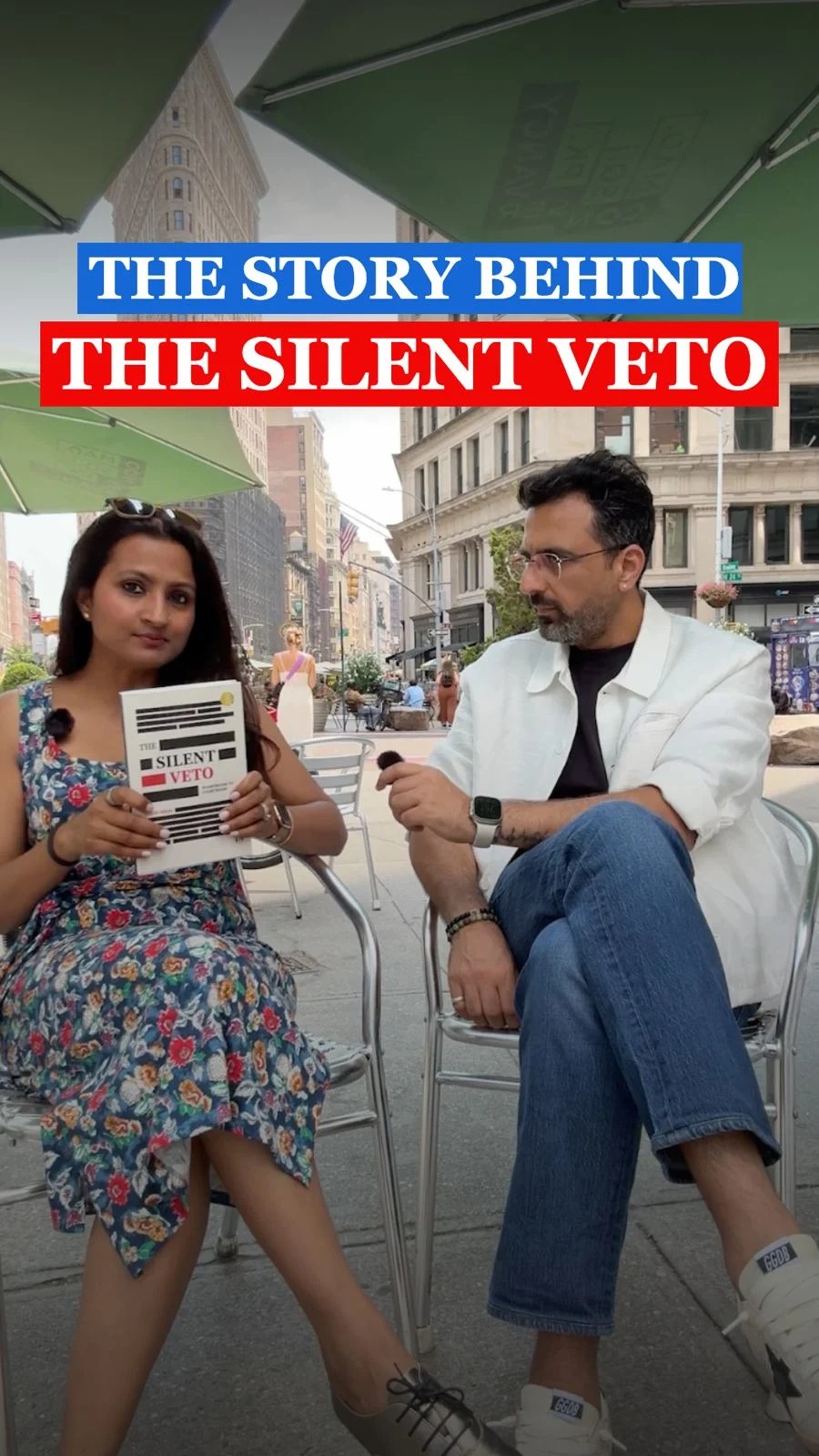
Why the future of creativity is not AI versus humans, but knowing where each creates value.
When I finished writing The Silent Veto, I thought the hard work was over. The manuscript was complete. The only task left was designing a cover. Like millions of creators, I turned to AI. Within hours it generated dozens of concepts. It felt like a creative superpower.
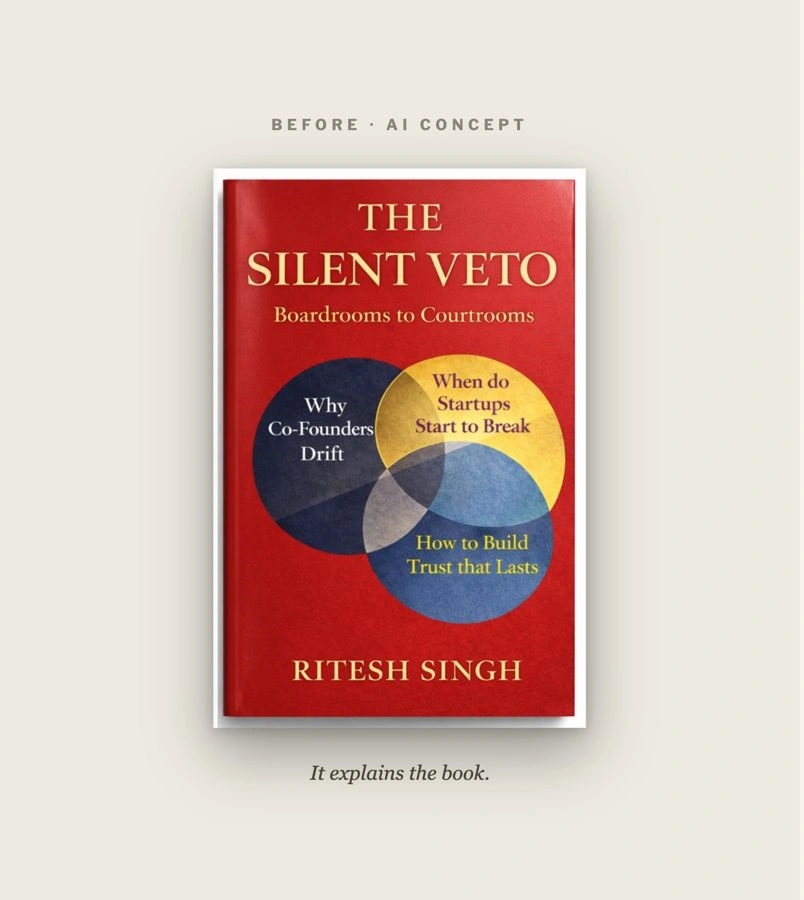
My favourite design used a red background, a Venn diagram and symbolic elements that explained exactly what the book was about. It communicated the message so well that I believed we were almost finished.
Then I sent the concepts to Kris. Instead of comparing designs, she challenged my assumption. 'A book cover isn't supposed to tell the story,' she said. 'That's what your book does.' That single observation changed the entire direction of the project.
It also changed how I think about AI.
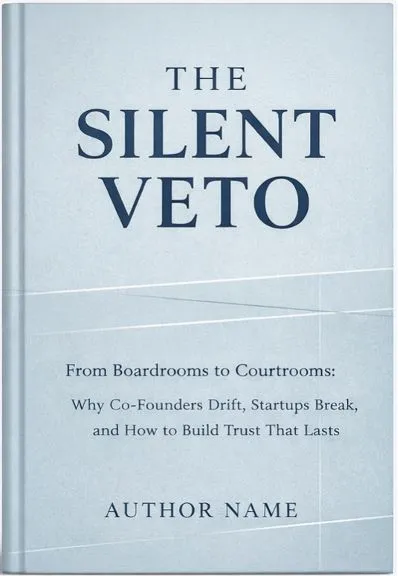
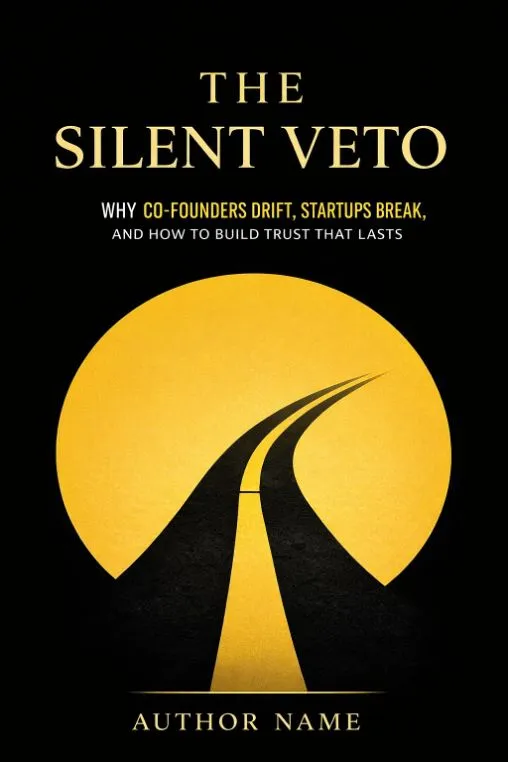
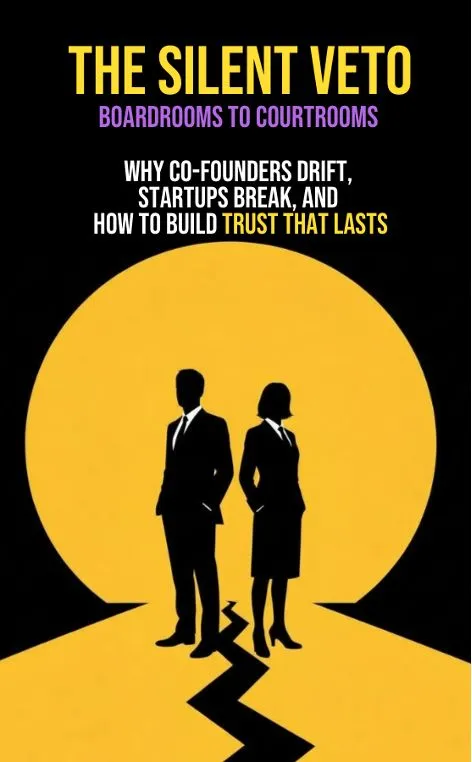
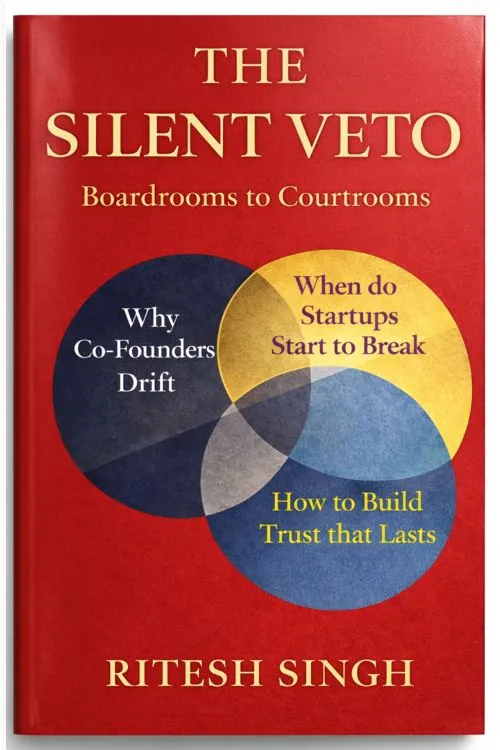
The public conversation usually asks whether AI can replace creative professionals. My experience suggested a different question. Which parts of creativity belong to AI, and which still depend on human judgement?
AI excelled at expanding possibilities. It explored metaphors, layouts and directions in minutes. It dramatically reduced the cost of experimentation and helped eliminate obvious ideas quickly.
Kris described those obvious ideas as 'monkey ideas', the first solutions that naturally appear before deeper thinking begins. AI proved remarkably good at generating them. That wasn't a weakness. It was a strength.
The first ideas are rarely the final ideas.
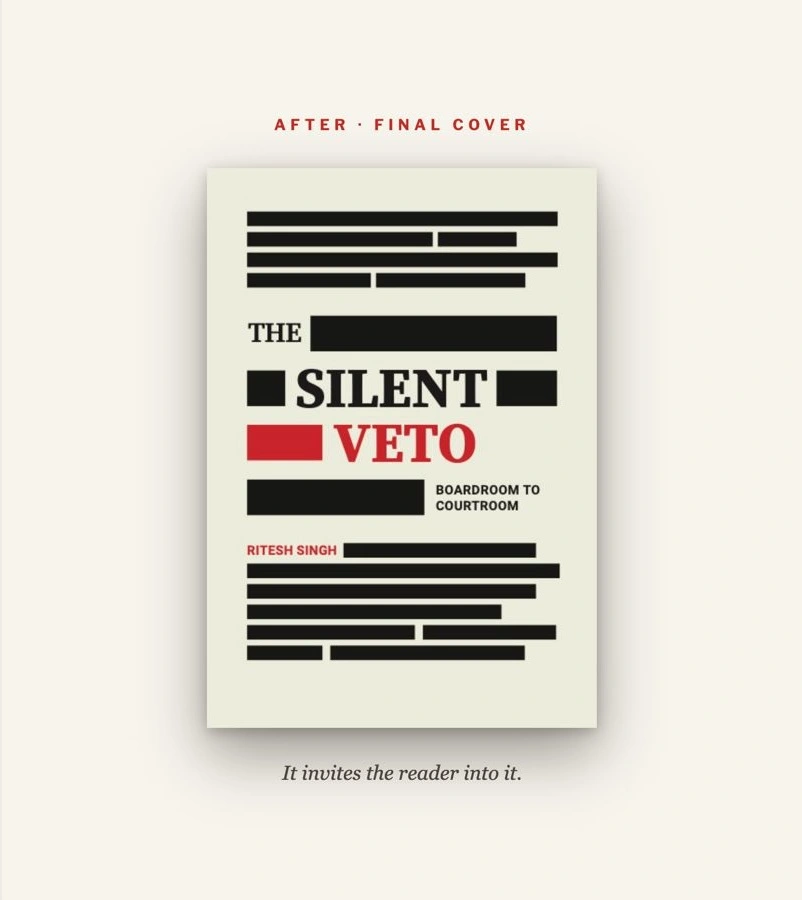
What AI could not do was determine the purpose of the cover. Should it explain the book or invite the reader into it? That required context, restraint and judgement.
The eventual breakthrough came through the idea of redaction. Instead of illustrating conflict, the cover allowed readers to experience hidden information for themselves. It created curiosity rather than certainty.
AI generated possibilities. Human judgment created meaning.
Looking back, AI and the designer were never competing. AI broadened the search. Human judgement narrowed it. AI generated options. Kris found meaning.
The project left me with a broader lesson. Creativity is no longer defined by who can generate the most ideas. Machines can now do that extraordinarily well. The increasingly valuable skill is recognising which ideas deserve to survive.
In writing, leadership and design, the hardest decisions are often acts of subtraction rather than addition. Removing noise requires more confidence than adding it.
The final cover of The Silent Veto was not created by AI. Nor was it created despite AI. It emerged because AI accelerated exploration while human judgement transformed exploration into insight.
I now see AI not as a replacement for creativity but as a collaborator that makes human judgement even more valuable.
The future belongs to creators who know when to trust AI, and when not to.